

Caring Through the Holidays: Special Considerations and Safety Tips for Seniors Receiving In-Home Care
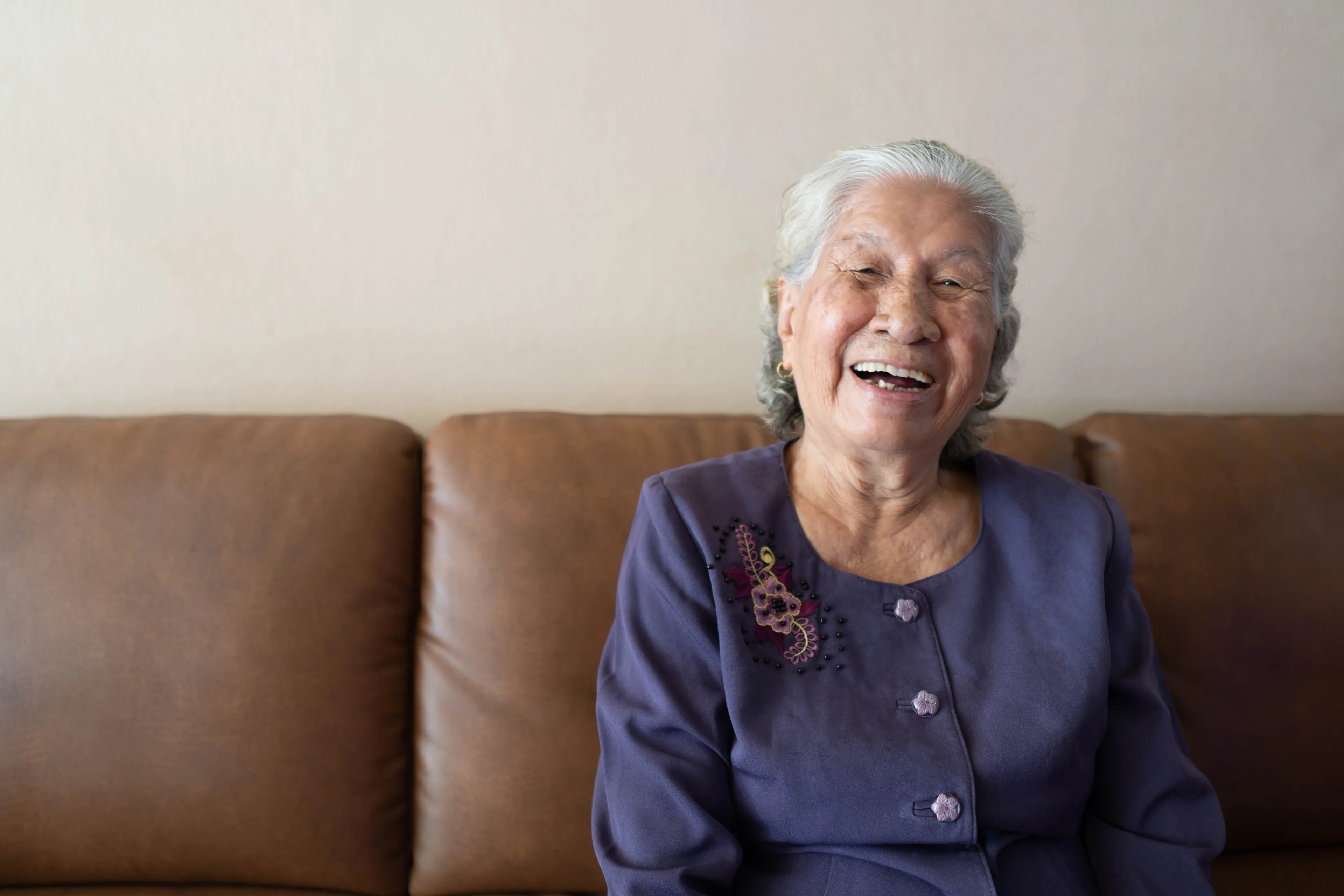
For many people, the holiday season is a time of celebration and connection. For seniors and homebound individuals, however, this time of year can introduce added risks and challenges that impact both physical and emotional well-being. Changes in routine, colder weather and increased social isolation can all influence health outcomes, making proactive, whole-person care especially important during the holidays.
In-home care plays a critical role in identifying these seasonal risks early and helping seniors stay safe, supported and engaged during a time when vulnerabilities may be heightened.
Increased Social Isolation and Emotional Health
While holidays often emphasize togetherness, many seniors experience increased feelings of loneliness during this period. Family schedules change, travel may be limited and shorter daylight hours can exacerbate depression or anxiety. Social isolation has been linked to poorer health outcomes and higher rates of hospitalization among older adults.
In-home clinicians can help mitigate these risks by building trusted relationships, screening for changes in mood or behavior and connecting members to community resources or care coordination support when needed.
Disruptions to Routine and Medication Adherence
Holiday activities can unintentionally disrupt established routines, including medication schedules, sleep patterns and dietary habits. For seniors managing multiple chronic conditions, even small deviations can lead to complications.
During in-home visits, clinicians can review medications, assess adherence and reinforce the importance of maintaining consistent routines. These touchpoints also allow for early identification of potential issues before they escalate into avoidable care events.
Seasonal Safety Risks and Fall Prevention
Winter weather introduces additional hazards, particularly for older adults with mobility challenges. Icy sidewalks, snow-covered steps and reduced lighting increase the risk of falls, which remain a leading cause of injury among seniors.
In-home assessments provide an opportunity to identify fall risks inside and outside the home, evaluate mobility aids and offer practical safety recommendations tailored to each member’s environment.
The Value of In-Home Care During the Holidays
In-home care offers a uniquely comprehensive view of a senior’s health during the holiday season. By meeting members where they live, clinicians gain insight into environmental factors, social supports and daily routines that are often missed in traditional care settings.
This whole-person approach allows health plans to address seasonal risks proactively, improve member engagement and support safer, more stable outcomes during a time of year when seniors may need it most.
Supporting Seniors Beyond the Season
The holidays may be temporary but the risks they introduce can have lasting impacts. Thoughtful, clinician-led in-home care helps ensure seniors feel supported, safe and seen not just during the holidays but year-round By addressing physical, emotional and social needs together, health plans can deliver care that truly meets members where they are, especially during moments that matter most.


Related Posts
What Is a Comprehensive Health Assessment (CHA) and Why It Matters for Risk-Bearing Organizations
For health plans, ACOs and other risk-bearing organizations, understanding member health accurately is the foundation of both quality care and sound operational management. Administrative claims data and brief office visits can miss critical clinical, behavioral and environmental details, creating blind spots that can lead to unexpected hospitalizations and unaddressed…
Quantifying Connection: Why Social Connectedness Is Becoming a Critical Health Indicator for Risk-Bearing Organizations
For older adults, a shrinking social network is far more than an emotional challenge; it’s a hidden health risk that directly drives up acute care utilization and total cost of care. For risk-bearing organizations, failing to identify and measure social isolation creates significant blind spots in risk adjustment, quality…
What Is a uACR Test? How This Simple In-Home Screening Helps Detect Hidden Kidney and Heart Risk
During an in-home health assessment, one of the simple but important screenings a Matrix Medical Network clinician may perform is a uACR test. This quick, non-invasive urine test can detect early signs of kidney damage before any symptoms appear. If you or a loved one have risk factors…